The old Scandinavian calendars
runstav or primstav were shaped like modern rulers, with symbols or runes marking important days. One side of the calendar represented the summer months, and the other side winter. The last end of summer marked the end of the harvest, and the beginning of slaughter season.
The day of demarcation between the two sides was October the 14th (or 28 days after the fall
equinox).
The day is called
vinternettene, and
marks the date of one of the ancient major quarterly sacrificial rites,
höstblot.
A
blot was usually performed in a building dedicated to sacrificial and ritual purposes, a
hov, and involved a sacrifice of food and animals. Blood from the animal was sprinkled on participants, walls and inventory of the
hov. A feast followed the sacrifice.
And today we received the first snow, how appropriate.
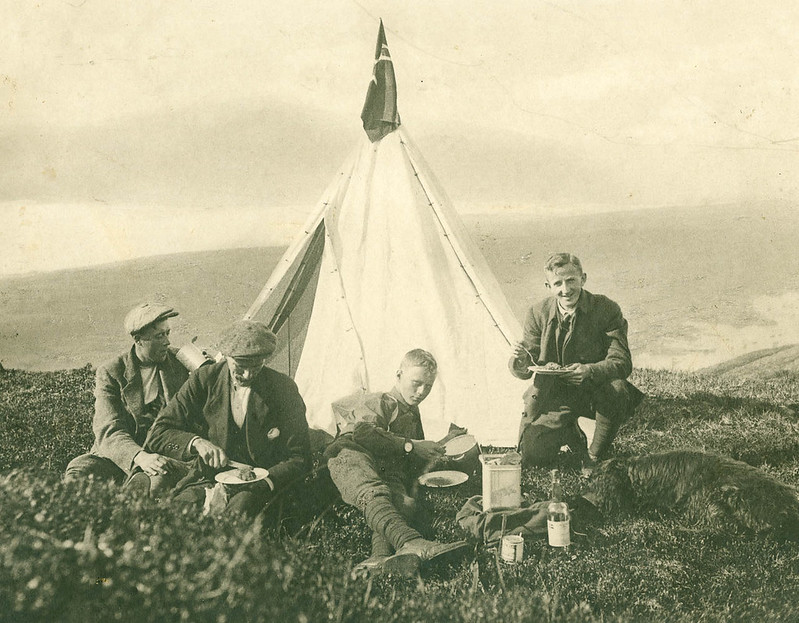 Happy campers. Tromsø in the faded background.